


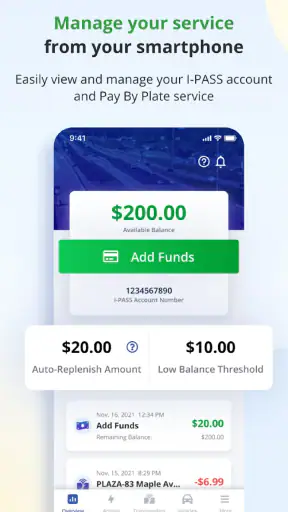
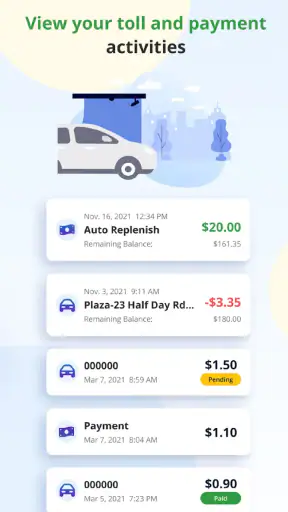
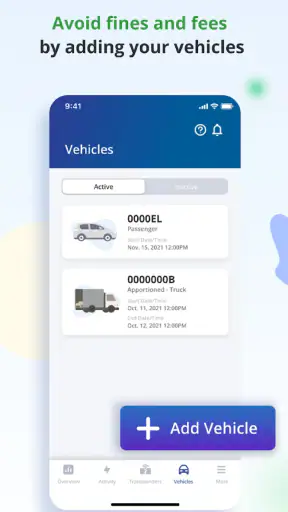
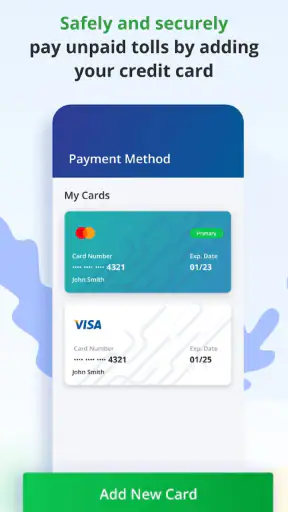
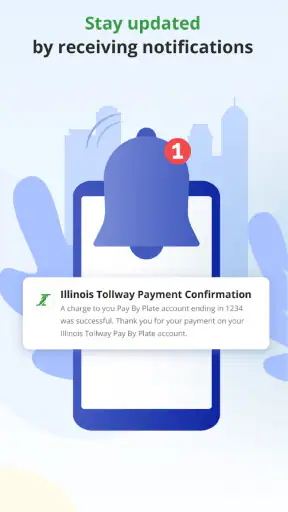
Illinois Tollway is the kind of travel app I would open only when a toll problem needs solving, yet that narrow purpose is exactly what makes it useful. Developed by Illinois Tollway, this free Travel & Local app focuses on paying unpaid tolls on the Illinois Tollway through a phone rather than turning the process into a trip to a website, a call, or a search through old paperwork. After using it, my impression is straightforward: it earns a place on the phone of anyone who regularly drives Illinois toll roads, but it is less compelling for people who rarely travel through the state.
The first-week appeal comes from having a direct tool for an annoying, time-sensitive task. A missed toll can easily become one of those small errands that gets postponed because it is not urgent enough to dominate the day, but important enough to keep nagging at you. The app gives that task a dedicated home. Its store summary is brief, but the practical idea is clear: use the official Illinois Tollway application to deal with unpaid tolls safely and securely.
I also like that the app is free and rated for Everyone, which makes it approachable for a broad range of drivers. It is not trying to be a general navigation platform, a road-trip planner, or a replacement for every toll-management method. That limited scope is both its strongest quality and its main boundary. If your driving rarely involves the Illinois Tollway, you may not want another specialized app waiting on your device.
How useful it feels after the first few trips
A focused answer to a very specific travel problem
My first impression is that Illinois Tollway works best when I treat it as a utility rather than an app I browse. There is no reason to open it for entertainment or casual planning. I open it because I need to resolve an unpaid toll, and the app’s purpose is immediately relevant. That focus keeps the experience easier to understand than a broad transportation app where toll information is buried among maps, traffic, fuel prices, and route options.
A realistic example is a weekend drive when I pass through a toll area and later realize I did not have the expected payment arrangement ready. Instead of relying on memory, I can use the official app while the trip details are still fresh. That timing matters. I can check what needs attention before the issue becomes an overlooked task mixed in with receipts, messages, and travel photos.
One useful habit is to handle the toll as soon as I finish the journey rather than waiting until I receive a reminder. I find this reduces the chance of confusing one drive with another, especially after a busy day. The app is most valuable when it becomes part of that small post-trip routine: park, check the route details, settle anything outstanding, and move on.
That workflow also shows why an official app can be preferable to a random payment page found through a search engine. The developer is Illinois Tollway, so the app has a clear connection to the road system it serves. For a payment-related task, that sense of direct ownership is meaningful. I still pay attention to the screen before submitting anything, but I am more comfortable starting with a dedicated official tool than with an unfamiliar third-party service.
Where it fits beside the usual alternatives
The most obvious alternative is using a browser. A website can be perfectly adequate for a one-time payment, especially if I am already sitting at a computer or do not want another app installed. The browser route may also feel better for someone who prefers a larger screen when entering or reviewing information. Illinois Tollway does not make that option irrelevant; it simply gives mobile users a more convenient path when the problem appears away from a desk.
Another alternative is depending on a toll account or another established payment arrangement. That is generally more suitable for frequent drivers who want recurring toll handling to happen with less manual attention. The app’s role is different: it is particularly useful when an unpaid toll needs an intentional check or payment. I would not choose it as my only travel tool if my priority were automatic, hands-off management across every trip.
Navigation apps are also not direct substitutes. They may help me avoid toll roads or show a route, but route guidance is not the same as resolving a charge after the drive. In practice, I see Illinois Tollway as a companion to navigation rather than a competitor. One helps me decide where to go; the other helps me clean up a toll-related task afterward.
The important trade-off is specialization: the app is easier to justify when I drive the Illinois Tollway often enough to encounter unpaid tolls or want a dedicated way to check them. It is harder to justify if I only pass through Illinois occasionally and already have a browser workflow that works reliably.
Small habits that make the app more useful
The first habit I recommend is checking promptly after a toll-road trip, not only when a notice arrives. That is a practical use of the app that a short store description does not explain. A second is keeping the app available before a planned drive if I know I may need it. Installing it after a problem occurs is possible, but preparing in advance removes one layer of stress when I am tired, traveling, or dealing with an unfamiliar route.
A third habit is separating toll administration from route planning. I do not use this app to decide whether a toll road is the fastest choice. I make that decision with navigation or my own travel plan, then use Illinois Tollway afterward for the payment task. Keeping those roles separate prevents me from expecting features the app is not designed to provide.
For households with more than one driver, I would also make sure everyone knows which official app is intended for Illinois Tollway payments. That avoids the common problem of one person assuming another handled the toll. The app cannot replace communication between drivers, but it gives the household a consistent place to check rather than leaving the responsibility buried in messages or handwritten notes.
What remains valuable from month to month
Recurring value depends on your driving pattern
Illinois Tollway does not create recurring value in the same way as a weather app, messaging service, or navigation tool. Its usefulness rises and falls with my travel. During a month with several Illinois toll-road trips, having a dedicated payment tool feels sensible. During a month without those trips, I may not open it at all. That is not a flaw in the app so much as a consequence of its narrow job.
For commuters and regular travelers, that pattern can still add up to lasting value. Repeatedly resolving toll matters through the same place is easier than rebuilding the process every time. Familiarity reduces hesitation: I know which app to reach for, and I do not need to remember a new search phrase or wonder whether a payment page is legitimate.
For occasional visitors, the value is more episodic. I would install it before a trip if I expected to use Illinois toll roads and remove it later if I had no continuing need. That may sound less enthusiastic, but it is an honest recommendation. Not every good utility needs to be opened daily. Some apps earn their space by being dependable during a specific kind of inconvenience.
The app has reached over a million installs, with an average rating of 4.1 from around 37 thousand ratings. Those figures suggest that many drivers find the basic purpose worthwhile, while the score also leaves room for ordinary friction. I read that combination as a reason to keep expectations practical: this is a useful administrative tool, not a polished all-purpose travel companion.
Who will benefit most over time
I would recommend it most strongly to people who live near the Illinois Tollway, commute across it, drive for work, or make repeated regional trips. These users have a continuing reason to keep a toll-payment workflow close at hand. They are also the people most likely to notice the difference between a quick official check and repeatedly hunting for the correct online page.
It can also help visitors who are unfamiliar with Illinois toll procedures. A traveler from another state may not know which road charges require attention or where to begin after a trip. Having the Illinois Tollway name attached to the app makes the starting point clearer than relying on a generic search result. I would still review the details carefully before completing a payment, particularly if I am handling a vehicle that is not normally mine.
On the other hand, someone who never drives in Illinois should skip it. The app will not improve ordinary local travel elsewhere, and its specialized focus means it has little to offer outside the Illinois Tollway system. Likewise, drivers who already have a dependable automatic toll arrangement may find the app useful only as an occasional backup rather than a daily necessity.
What the rating and update position tell me
The app was released on October 4, 2021, and the current version is 4.0.2. I pay attention to that because a payment utility needs to remain usable as phone software and security expectations change. The current version indicates that the app is not simply an abandoned first release, although version numbers alone cannot guarantee a perfect experience on every device.
Its minimum operating-system requirement is Android 7.1, which is a relatively accessible baseline for many older Android phones. That matters to drivers who keep a spare device in a vehicle or do not upgrade frequently. At the same time, anyone using a very old phone should still expect that performance, screen layout, or sign-in behavior may feel less smooth than on newer hardware.
The 3.2 thousand reviews provide more context than the average alone because administrative apps are judged on moments of frustration. A person may be happy when everything works but leave a review after a confusing payment attempt or a difficult lookup. I would therefore use the app, but I would not treat the rating as a promise that every toll situation will be effortless.
Maintenance, friction, and the reasons it may wear thin
The burden of keeping a narrow utility installed
Maintenance is fairly simple in concept: keep the app updated, remember that it is the official Illinois Tollway tool, and open it when a toll needs attention. The harder part is psychological rather than technical. Because I may go weeks without using it, I can forget why it is installed or overlook it when searching for a solution. A clear home-screen folder for travel utilities can make it easier to find when needed.
I also avoid opening it while driving. That sounds obvious, but toll problems often surface during a journey, when I am tempted to solve them immediately. The safer workflow is to wait until I am parked or ask a passenger to help with the non-driving parts. The app’s usefulness is not worth creating a distraction on the road.
Another practical limitation is that a specialized payment app does not remove the need for careful record keeping. If I am driving a borrowed, rented, or shared vehicle, I want to remember which vehicle and trip I am addressing before submitting anything. The app can support the payment process, but I remain responsible for checking that I am resolving the correct toll situation.
Where fatigue can appear
The main source of fatigue is repetition. If I regularly make several trips, I may wish the whole process required less attention each time. A focused app is helpful, but it can still feel like another administrative stop after travel. That is where an automatic toll arrangement or a broader account-based solution may be more convenient for frequent users.
There is also a difference between having the app and having the information needed to use it. If I wait too long after a trip, I may need to reconstruct what happened from memory, travel plans, or vehicle details. No payment interface can make that uncertainty disappear. The best way around it is to check promptly and save any confirmation or reference information that matters to me.
People who expect a full travel dashboard may be disappointed. This is not where I would look for live route choices, parking discovery, sightseeing ideas, or a complete record of every transportation expense. Adding those expectations would make the app seem weaker than it is. Its value comes from doing one Illinois Tollway-related job without pretending to be an entire travel ecosystem.
Privacy and payment sensitivity are also reasons to slow down. Even with an official developer, I would verify that I am using the genuine application and read each payment screen before confirming. I would not share account or vehicle details casually, and I would avoid handling a toll issue over an unsecured public device if I had a safer option. These are sensible precautions for any payment utility, especially one used while traveling.
When another option is better
If I am a daily toll-road commuter and want the least manual involvement possible, I would investigate a recurring toll account or established automatic method before relying on this app alone. The app is better for checking and addressing unpaid tolls than for replacing every form of ongoing toll management.
If I am making a one-off payment from a laptop, the official browser experience may be more comfortable because a larger screen makes details easier to review. If I am planning a route, a navigation service is the right tool. If I am trying to manage travel costs across many states, a broader financial or travel-record system may give me a more complete picture. Illinois Tollway wins when the question is specifically, “How do I deal with this Illinois Tollway payment on my phone?”
That distinction keeps my recommendation balanced. I would not install it for every traveler, and I would not describe it as a universal toll solution. I would install it for the exact situation it handles, particularly when I want an official mobile starting point instead of relying on memory or search results.
Does it deserve a permanent place on the phone?
After the novelty fades, the app’s lasting value comes from habit. It does not need to entertain me or offer a new feature every week. It needs to remain recognizable, available, and useful when an unpaid toll becomes an easy task to postpone. For regular Illinois Tollway drivers, that is enough to justify keeping it installed.
For occasional drivers, my verdict is more conditional. I would download it before a trip if I expected to use toll roads, complete the necessary check afterward, and decide whether I still needed it. That is not a criticism. A focused utility can be excellent without becoming a permanent part of someone’s daily routine.
I appreciate the combination of a free price, an Everyone content rating, and a clear connection to Illinois Tollway through its developer. The average rating of 4.1 is encouraging but not a reason to ignore the app’s limits. My experience points to a tool that solves a narrow problem reasonably well, provided I use it promptly and do not expect navigation, automatic toll management, or broad travel planning.
My long-term recommendation is simple: keep it if Illinois toll roads are part of your normal driving life; treat it as a trip-specific tool if they are not. Illinois Tollway earns lasting space through practical reliability rather than constant engagement. I would recommend it to a friend who has an unpaid toll to resolve, while also telling that friend to compare it with an automatic toll arrangement if repeated manual payments become tiring.
That is where the app feels most honest and useful. It does not need to be the only travel app on the phone. It just needs to be the one I can find quickly when an Illinois Tollway charge needs attention, and for that focused purpose, it remains a sensible free download.


